Multiple websites for Kungälvs kommun and associated organizations
How do you create a cohesive digital ecosystem for multiple organizations, while still allowing each website to reflect its own identity, goals, and user needs?
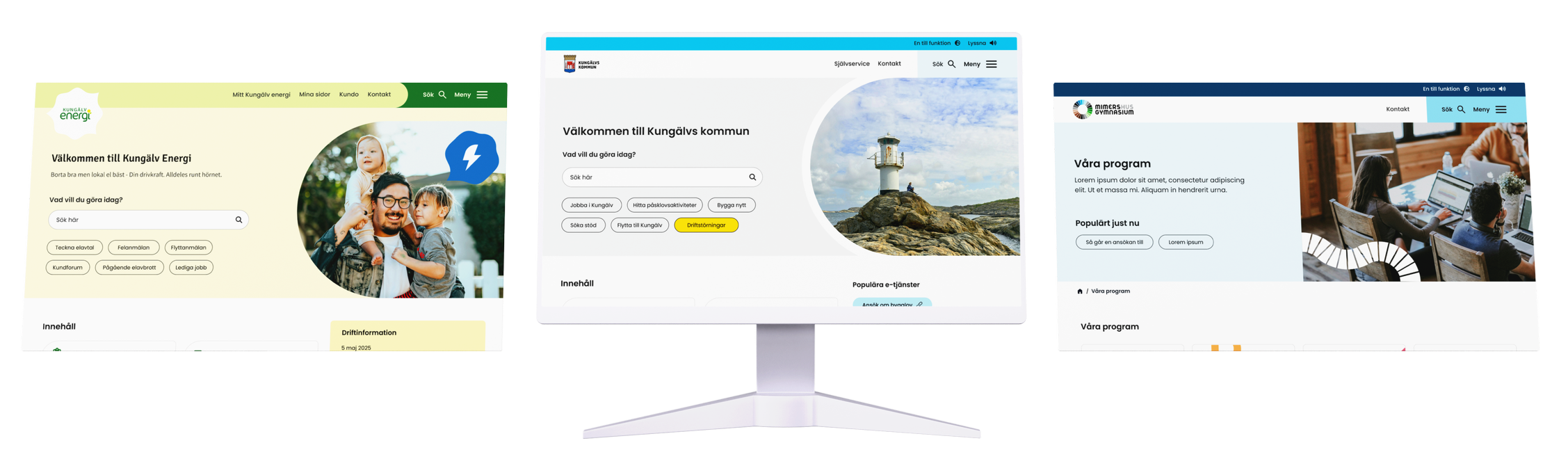
In this project, we designed and developed four new websites for:
Kungälvs kommun
Kungälv Energi
Bokab
Mimers Hus Gymnasium
The project was built around a shared design and UX foundation initially created for the municipality website, which was then tailored to meet the specific needs, goals, audiences, and requirements of each organization.
I worked as the responsible UX/UI Designer, leading the research and design work throughout the project, with a strong focus on accessibility, user-centered design, and scalable digital experiences.
My Role
I was responsible for the overall UX and design process across all four websites.
My responsibilities included:
Leading UX and UI design
Main responsibility for research and accessibility
Facilitating workshops and stakeholder sessions
Creating personas and user-centered design foundations
Information architecture and navigation design
UX strategy and design systems
Accessibility analysis and WCAG expertise
Wireframes and UI concepts
Translating insights into scalable design solutions
Collaborating closely with both the team and clients throughout the process
I worked closely with developers, strategists, content creators, and stakeholders to ensure the solutions balanced organizational goals, technical requirements, and user needs.
The Challenge
The challenge was to create a scalable digital foundation that could support multiple organizations with very different audiences and goals — while still maintaining a cohesive experience across the ecosystem.
Each website had unique requirements:
The municipality website focused on public services and accessibility
Kungälv Energi focused on customer communication and self-service
BOKAB focused on business growth and attracting companies
Mimers Hus Gymnasium focused on students, education, and recruitment
At the same time, the websites needed:
consistency in structure and UX principles
flexibility in branding and communication
scalable and reusable design patterns
strong accessibility support
Goals
The project aimed to create modern, user-centered, and accessible websites that could support both organizational goals and everyday user needs.
Key goals included:
Creating a scalable UX and design foundation
Improving navigation and findability
Increasing accessibility across all platforms
Designing for different target groups and needs
Supporting long-term scalability and consistency
Creating more intuitive and modern user experiences
Strengthening collaboration between organizations and teams
Process
The project combined research, workshops, accessibility, UX strategy, and collaborative design work across multiple stakeholders and organizations.
Workshop & Strategic Foundation
To kick off the project, I planned and facilitated a full-day workshop focused on:
organizational goals
target groups
needs and pain points
requirements
priorities
business objectives
The workshop became an important starting point for aligning stakeholders and creating a shared understanding of both user needs and organizational direction.
The insights from the workshop were then combined with:
existing research
stakeholder input
analytics and traffic data from Google Analytics
behavioral patterns and content analysis
This created the strategic foundation for the design work moving forward
Research & User-Centered Design
Research played a central role throughout the project.
I worked with:
personas
target group analysis
user needs mapping
behavioral insights
accessibility analysis
data-driven prioritization
The personas helped guide both content structure and UX decisions for the different websites, ensuring the experiences reflected the needs of each organization’s audiences.
Since the websites served very different user groups, it was important to balance consistency with flexibility.
UX/UI Design
The design work was highly collaborative and iterative.
A shared UX and design foundation was first created for the municipality website and later adapted for the needs of the other organizations.
This included:
navigation principles
reusable components
page templates
accessibility standards
interaction patterns
responsive behaviors
From there, each website was customized to fit its unique audience, communication style, and business goals.
The design process included:
wireframes
UI concepts
iterative feedback sessions
stakeholder reviews
collaborative workshops
usability-focused refinements
I worked closely with both the internal team and the clients throughout the process to ensure strong alignment and continuous improvement.
Accessibility
Accessibility was integrated throughout the project from the very beginning.
As the accessibility expert in the project, I ensured that accessibility was considered in:
structure and navigation
contrast and typography
interaction design
content hierarchy
responsive behavior
reusable components
WCAG compliance
The goal was not only compliance, but creating experiences that were genuinely usable and inclusive for all users.
Testing & Feedback
The project included continuous feedback sessions and iterative improvements throughout the design process.
We worked closely with stakeholders and gathered ongoing feedback to validate:
navigation
usability
structure
communication
visual hierarchy
Some testing and validation activities were also conducted to identify friction points and refine the user experience before development..
Solution
The result was a scalable and flexible digital ecosystem built around shared UX principles and reusable design foundations.
The solution included:
A unified UX foundation across all websites
Tailored experiences for each organization
Improved navigation and information architecture
Accessible and responsive design systems
Flexible page templates and reusable components
Strong collaboration between stakeholders, designers, and developers
User-centered structures based on research and insights
Each website maintained its own identity while still feeling part of a larger and more cohesive digital ecosystem.
Outcome
The project resulted in:
Four new user-centered websites
A scalable and reusable design foundation
Improved accessibility and usability
Stronger alignment between user needs and organizational goals
Better collaboration across organizations and teams
Long-term flexibility for future development and content management
Key Learning
Designing multiple websites within one ecosystem requires more than consistency.
It requires understanding how to balance shared structures, accessibility, branding, organizational goals, and user needs — while still creating experiences that feel tailored, intuitive, and human.
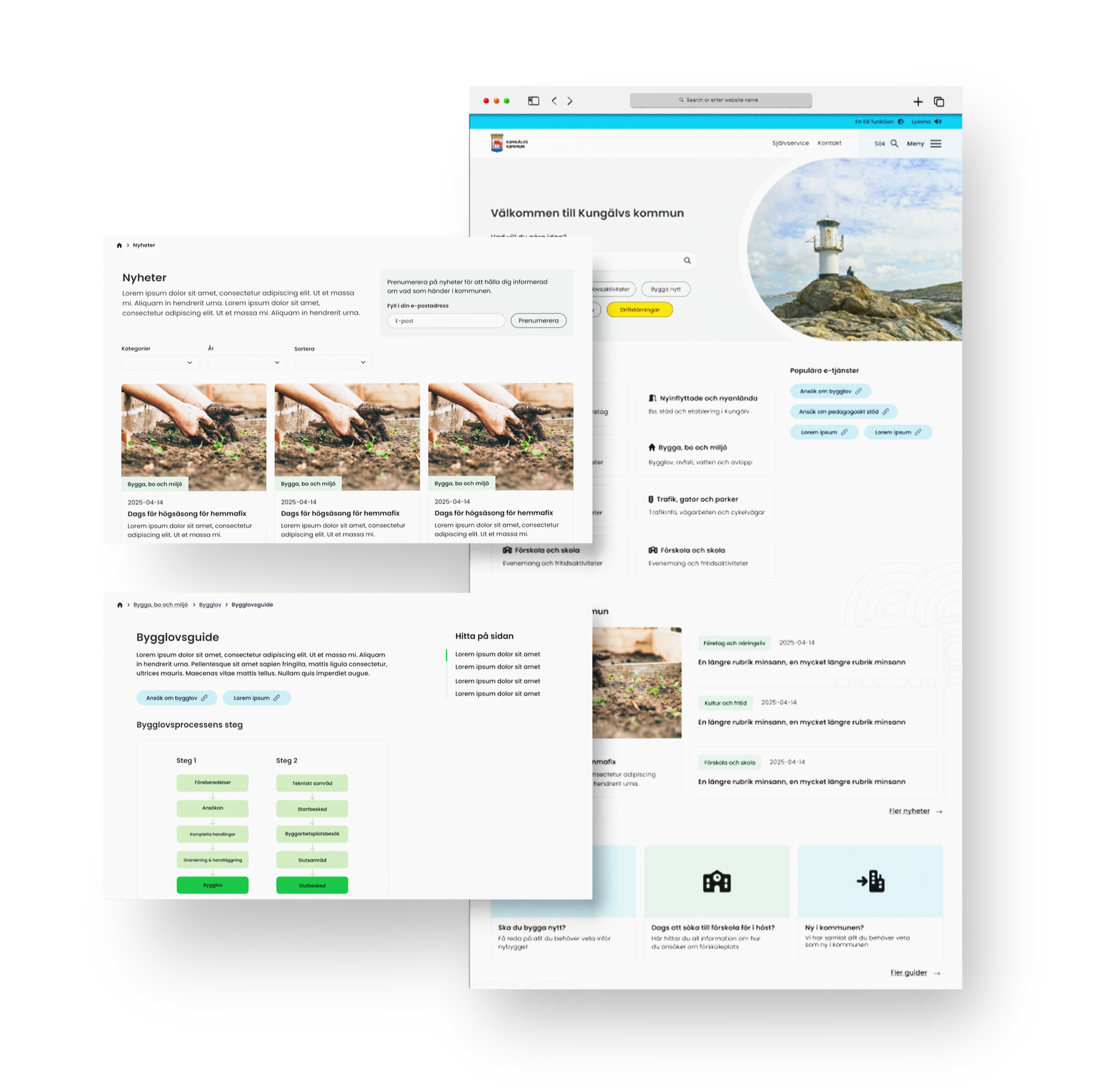
Wireframes
Kungälvs kommun
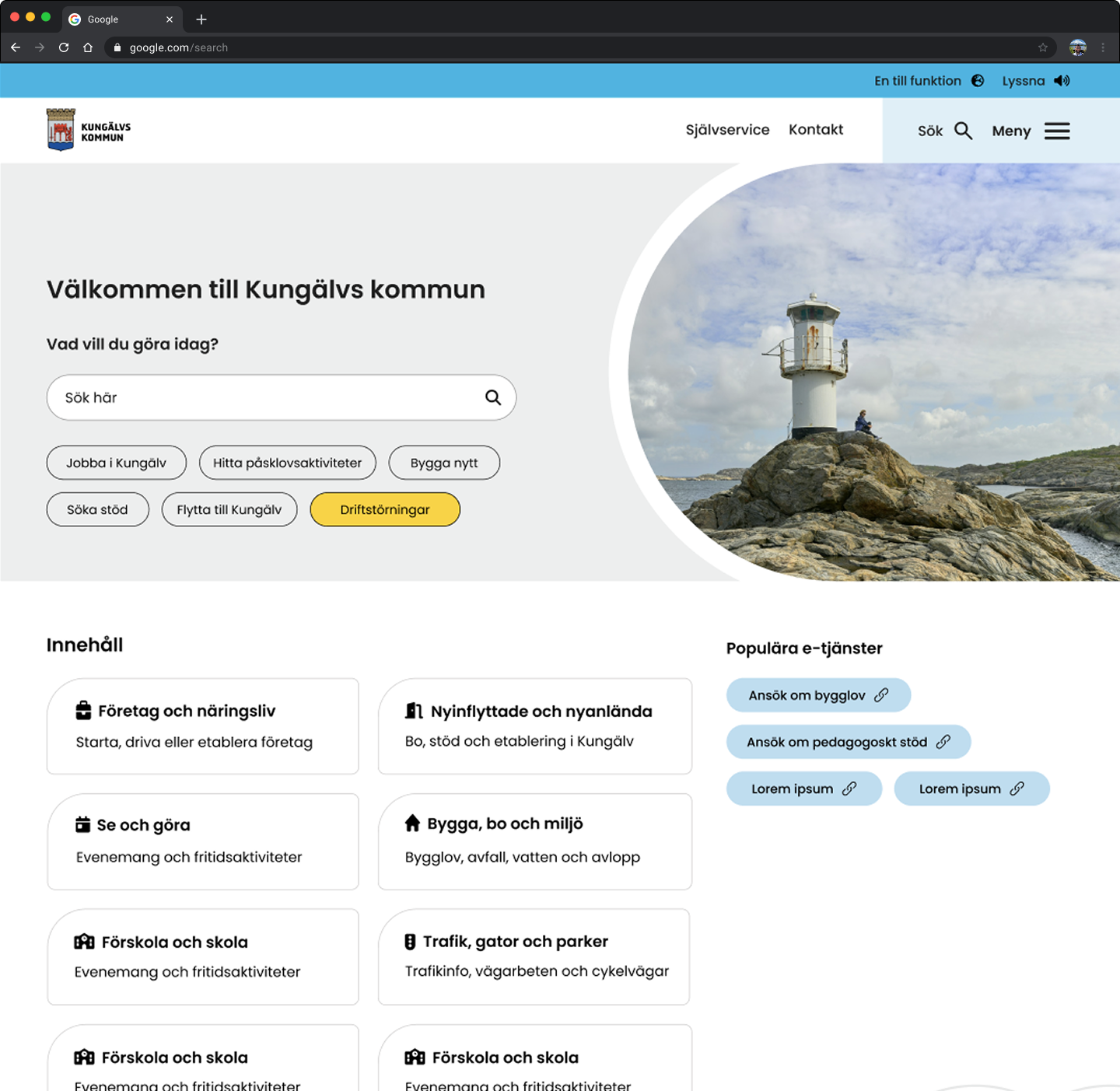
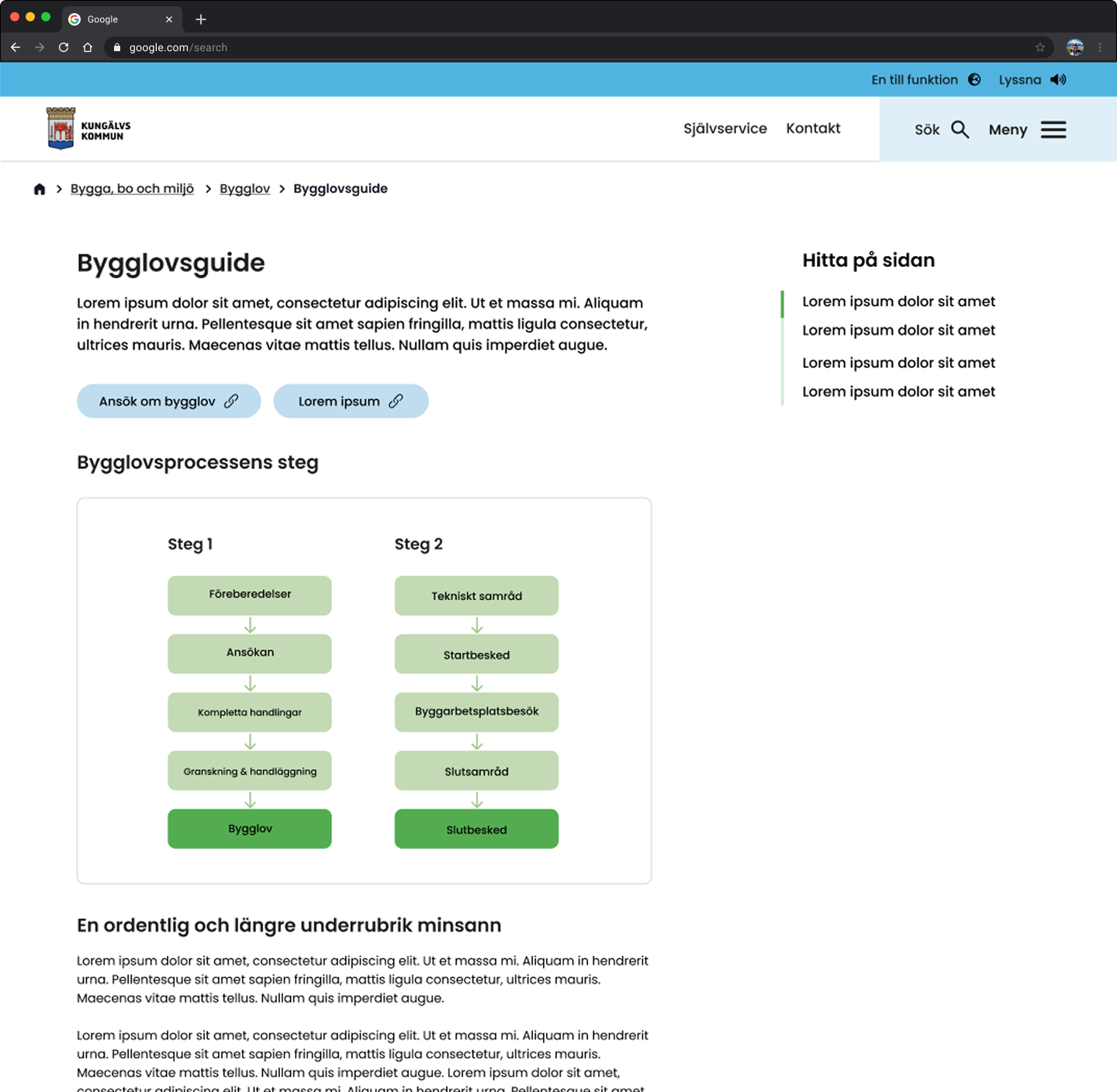
In this project, we created a new website for Kungälv Municipality with a focus on accessibility, usability, and clearer digital service for residents and visitors. The website was designed to make it easier to find information and complete everyday tasks through a user-centered, mobile-first, and accessible experience. I was responsible for UX/UI, research, and accessibility throughout the project.
Kungälv Energi
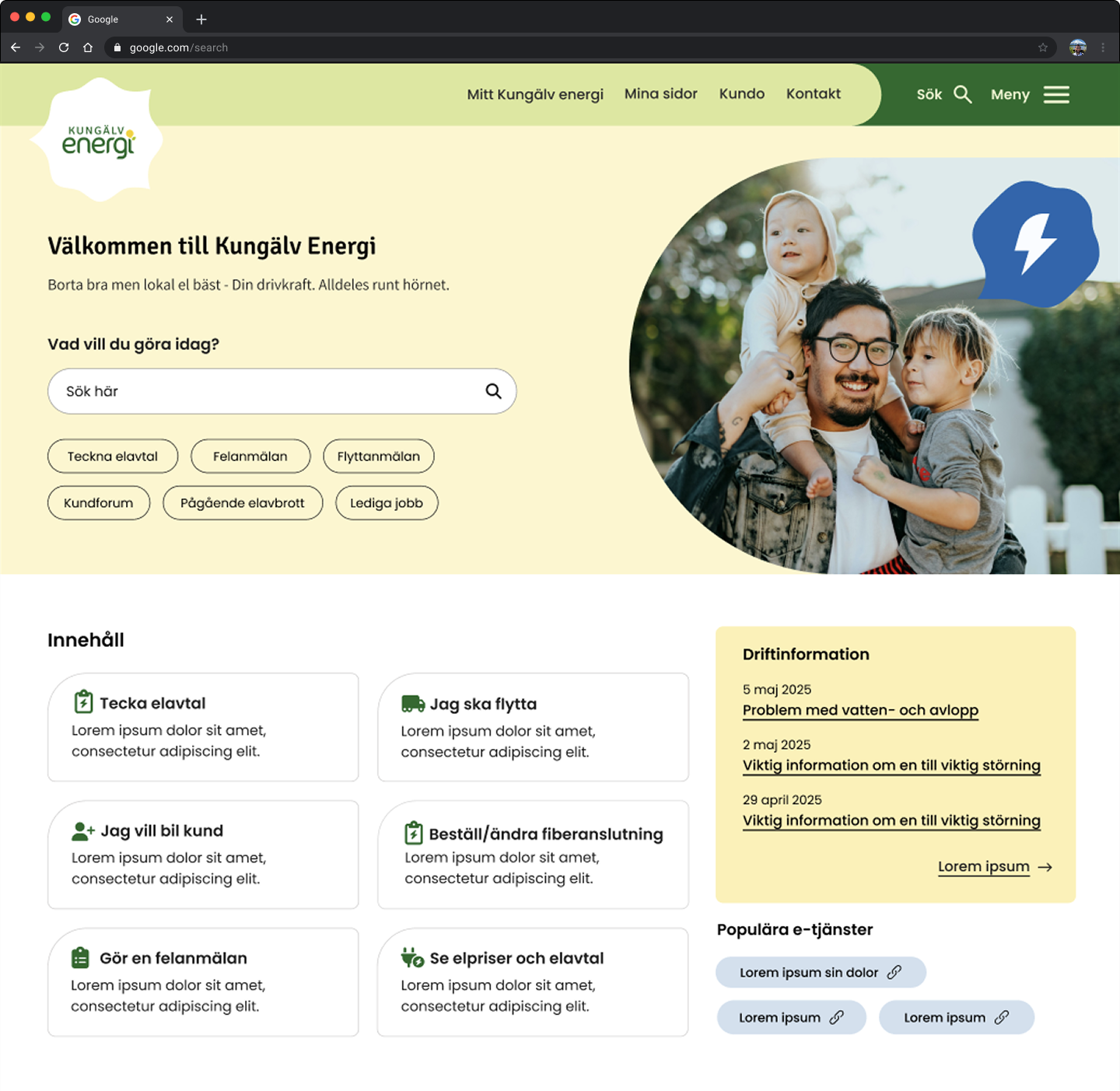
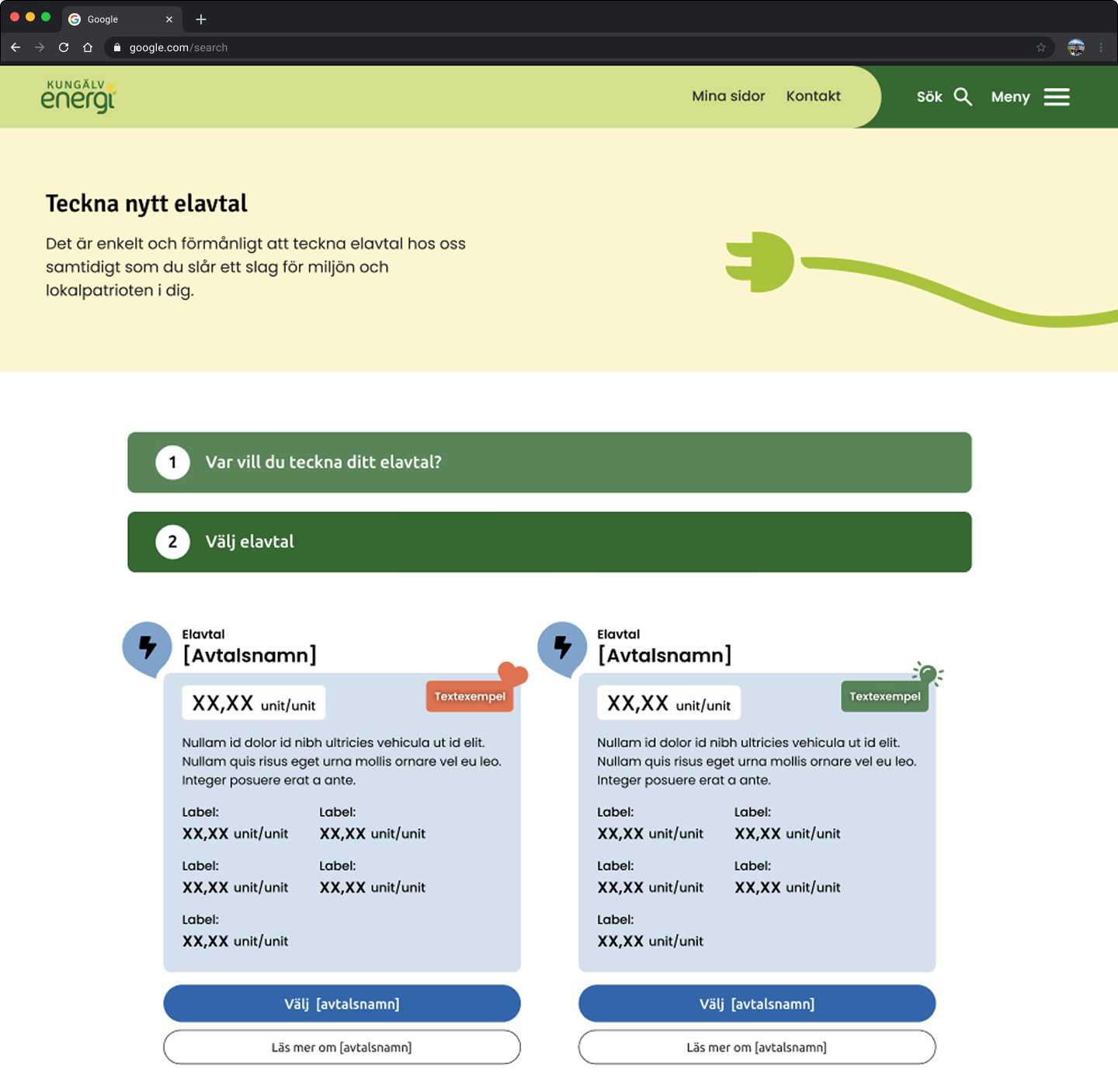
In this project, we created a new website for Kungälv Energi with a focus on accessibility, usability, and clearer customer communication. The website was built on a shared UX and design foundation while being tailored to Kungälv Energi’s specific needs and target groups. I was responsible for UX/UI, research, and accessibility throughout the project, with a strong focus on mobile-first and user-centered design.
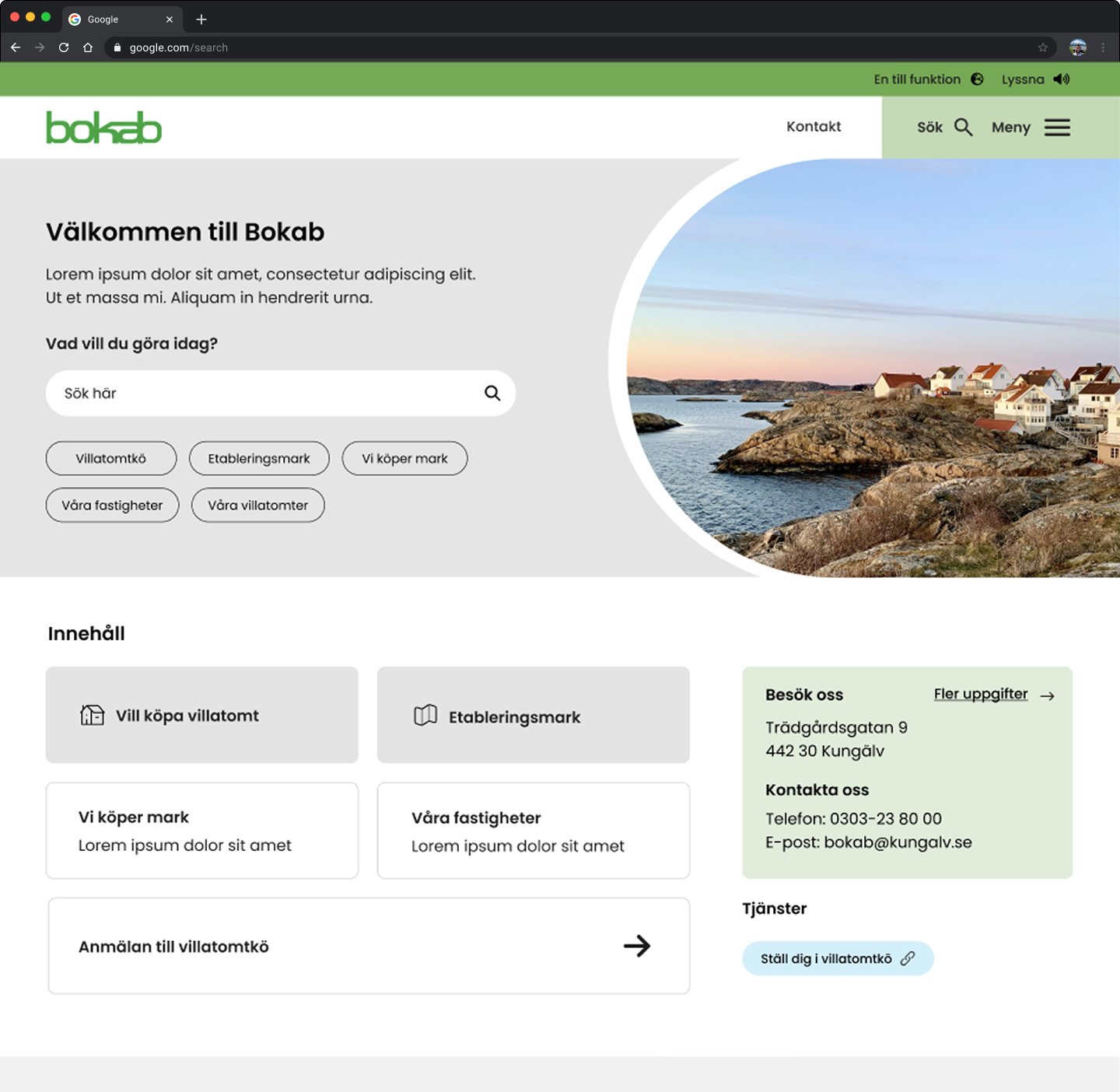
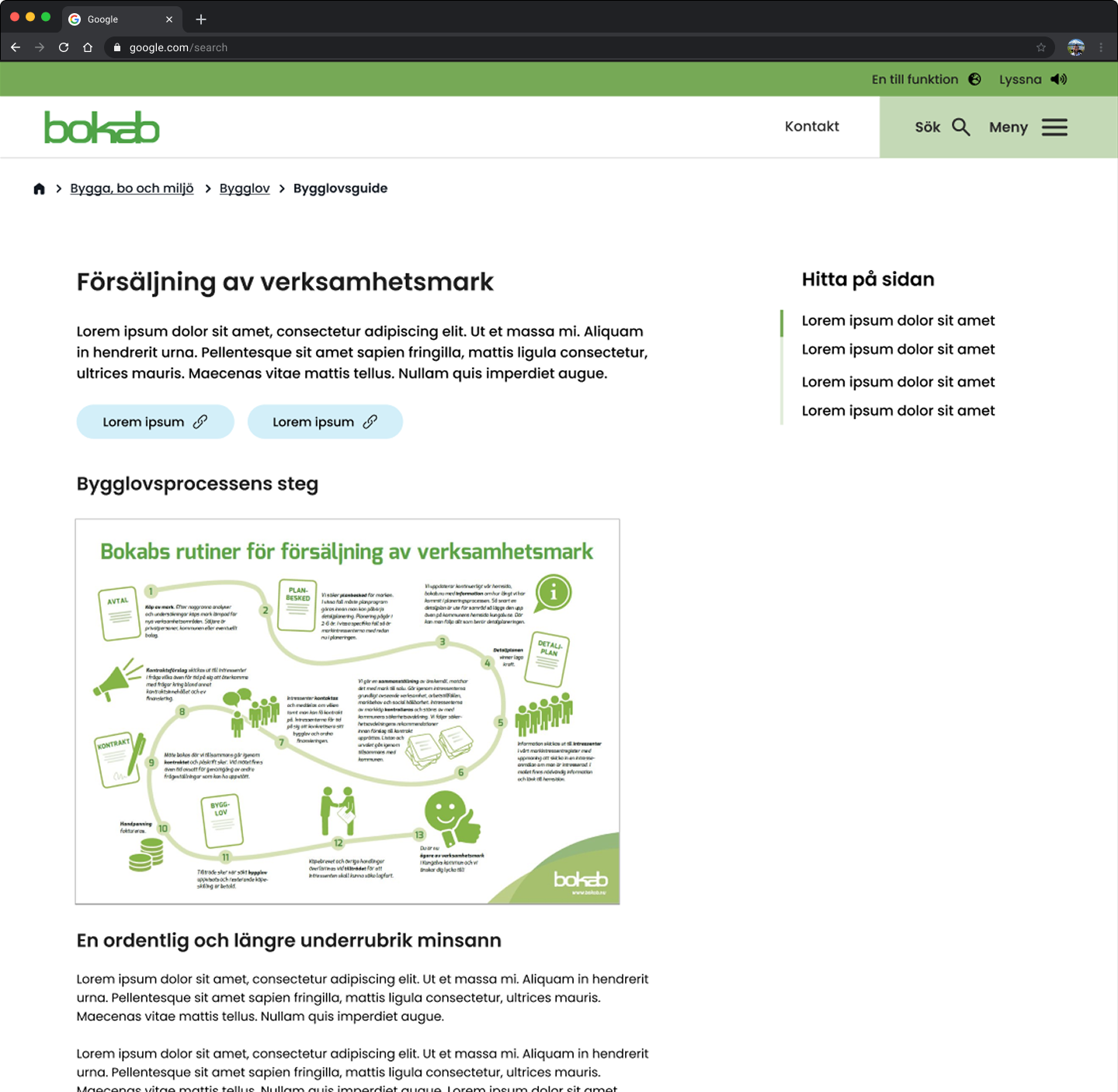
Bokab
In this project, we created four new websites for Kungälv Municipality, Kungälv Energi, BOKAB, and Mimers Hus Gymnasium. The project was built on a shared UX and design foundation that was tailored to each organization’s needs and target audiences. I was responsible for UX/UI, research, and accessibility throughout the project, with a strong focus on mobile-first and user-centered design.
Mimers hus gymnasium
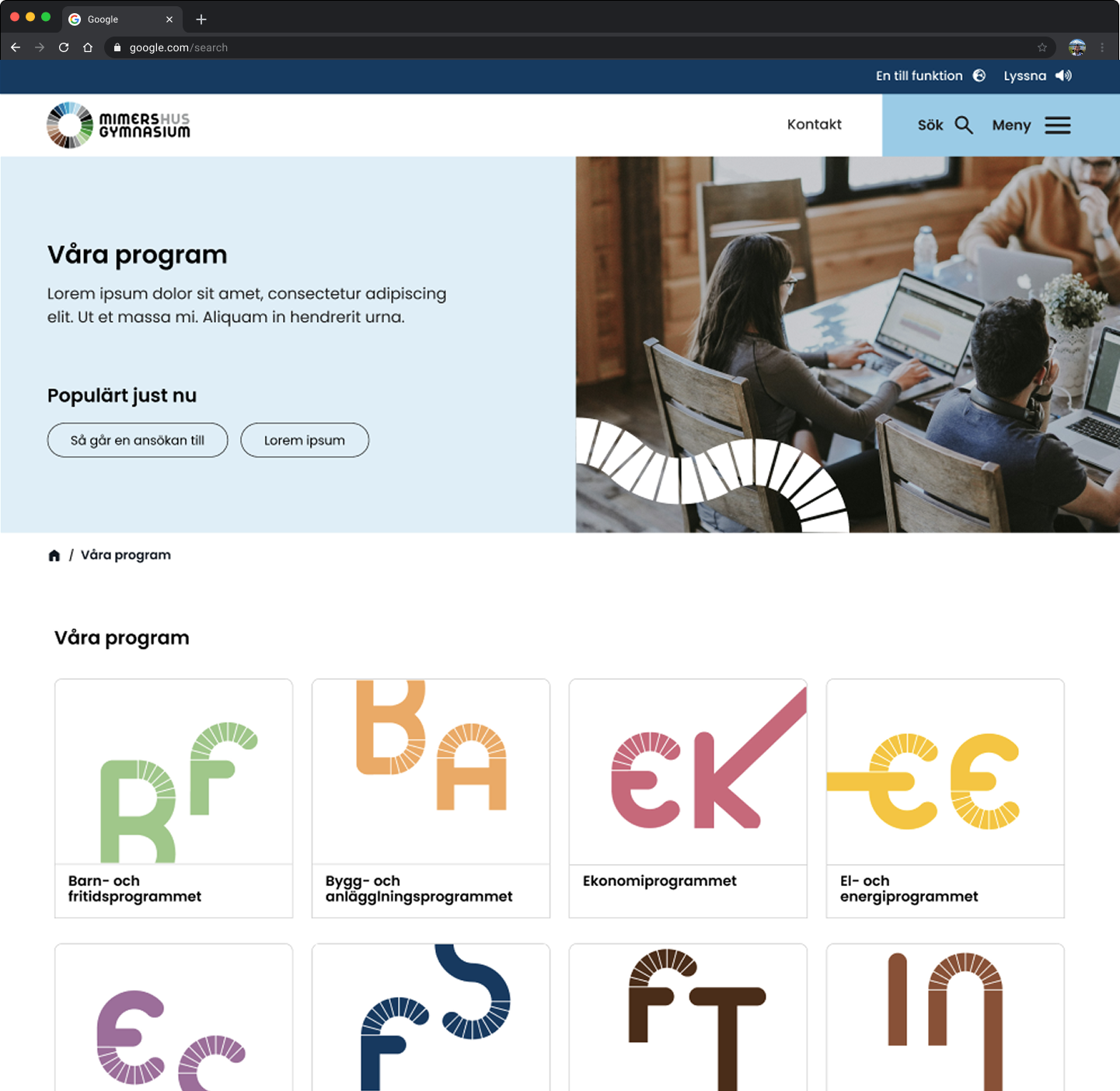
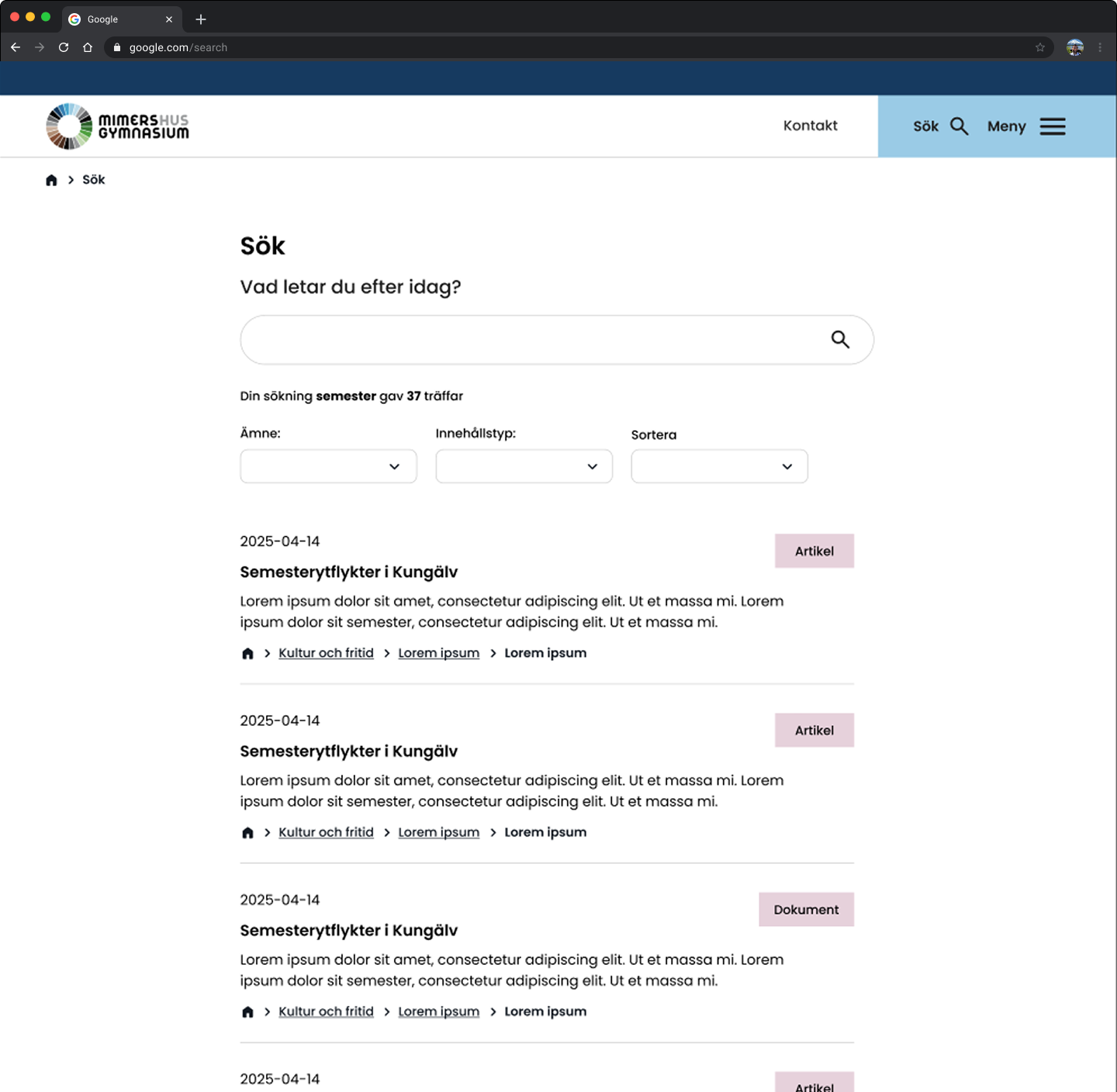
In this project, we created a new website for Mimers Hus Gymnasium with a focus on accessibility, usability, and supporting students in the upper secondary school selection process. The website was built on a shared UX and design foundation while being tailored to the school’s specific needs and target groups. I was responsible for UX/UI, research, and accessibility throughout the project, with a strong focus on mobile-first and user-centered design.